
Condition: Excellent
Laurie Anderson
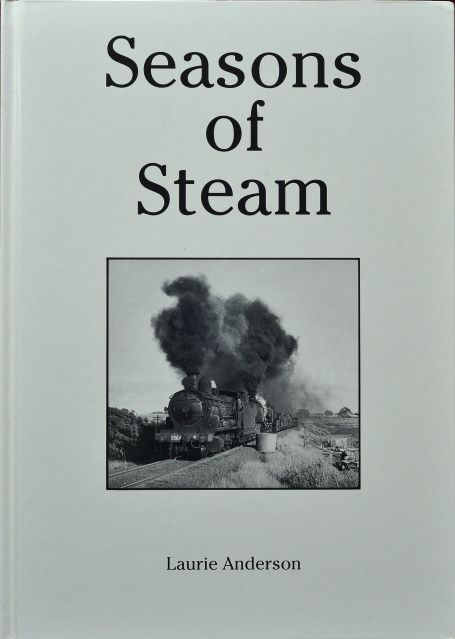
Seasons of Steam: A Journey Through Six Short Years
Seasons of Steam: A Journey Through Six Short Years
Couldn't load pickup availability
In 1963 it was stated by the administration of the New South Wales Government Railways that 1967 would be the last year of steam operation anywhere on the system. (This, incidentally, was a similar timetable to British Railways' steam withdrawal plans.)
Using an envisaged total of 400 diesel-electric locomotives plus other electric, diesel-hydraulic and railcar/rail motor stock, steam power would be eliminated completely.
By mid-winter 1966 steam power's future appeared very short indeed, although there still remained over 400 active steam locomotives distributed widely throughout various areas of the State.
In spite of the fact that general and seasonal as well as bulk traffic had increased since the dieselisation date had been set, a number of incidents occurred in 1966 that indicated the demise of steam was imminent. A devastating drought throughout 1965 brought the season's wheat crop down to 45 percent of the previous year and, along with the failure of other crops, a slump in the livestock market occurred: all this to a railway system built to serve. and dependant more than ever on, the State's rural sector. Consequently, reduced overall mileage resulted, and with the greater onroad time-availability of diesel-electric units and their superior hauling capacity, a larger share of the total traffic was being taken out of the hands of steam.
But the drought brought other problems as well. Steam locomotives require water and this commodity was in short supply, particularly in the north-west of the State. Failure of the water supply at Murrurundi and Scone caused the elimination Muswellbrook.
Not since 1964, when the Main South and branches succumbed to diesel-electric traction, had such inroads been made into the steam domain. Two classes of diesel-electric units were being delivered - the 44 class main line units and the 48 class branch line locos - at a rate of two each per month, each unit replacing two and a half times their number in steam locomotives.
To steam's bleak future, came, near the end of spring 1966, news of a bumper wheat harvest. Estimates indicated 170 million bushels (compared to the previous record of 151 million bushels in 1964/65) would be harvested. As well, there were increased volumes of other crops and general goods to be hauled, despite the inroads road transport was making. The Railway administration geared up for a good season and the target date for ultimate dieselisation was, of necessity, reviewed.
And so it was that steam locomotives were returned to traffic from their storage sidings and sheds to active duty; a short reprieve for some, a longer reprieve for others, but a delay of the scrapper's torch nevertheless. Continued traffic increases and good seasons on the land over the next three years meant that steam would last a little longer than anticipated. Thus 1967 became a watershed in the demise of steam operations instead of the final year.
Six more years were to elapse before steam finally succumbed to more modern and efficient forms of power. This then is our story in words and pictures - a journey through the final Seasons of Steam.
Share
Published: 1990
Binding: Hardcover
ISBN: 0646001248
View full details